

Tariff Refund / Pass-Through Overcharge Lawsuits
Currently Investigating Potential Claims for Purchasers Nationwide
Kershaw Talley Barlow is actively investigating tariff-related claims in the wake of the U.S. Supreme Court's February 2026 ruling that the IEEPA tariffs were unlawful.
Our investigation focuses on:
- Invoices or receipts showing a separate, identified tariff surcharge line item
- Purchases made from vendors or distributors during 2025 or 2026 while IEEPA tariffs were in effect
- Situations where the seller has since applied for and received a federal tariff refund
- Cases where the customer received no credit, adjustment, or refund after the tariffs were ruled unlawful
If you paid a separate tariff surcharge to any company in 2025 or 2026, we want to hear from you. Call (916) 520-6639 or contact us online for a FREE, confidential evaluation.
Why Clients Choose Kershaw Talley Barlow
Tariff-related pricing disputes and refund-retention investigations are complex cases. They require a firm that can take on well-funded corporate defendants and build a clear, document-supported damages narrative.
Businesses turn to Kershaw Talley Barlow because we offer:
- Over $1 Billion Recovered in verdicts and settlements for clients
- 100+ Years of Combined Experience in complex, high-stakes litigation
- National Reach with the resources to litigate against major corporate targets
- Scientific & Technical Expertise through an in-house team of attorney-scientists who strengthen causation and evidence in sophisticated matters
- Proven Results in large-scale litigation and claims against powerful corporations
Learn more about us and our results.
Where the Law Stands After the Supreme Court's Ruling
On February 20, 2026, the U.S. Supreme Court ruled 6-3 in Learning Resources, Inc. v. Trump that the International Emergency Economic Powers Act (IEEPA) does not authorize the President to impose tariffs. All IEEPA-based tariffs terminated on February 24, 2026.
Two important points bear on what comes next for businesses:
- Refund mechanics are still being resolved. The Supreme Court declined to specify how refunds of previously collected duties should be handled, remanding that question to the lower courts. Importers who paid IEEPA tariffs directly may have viable refund rights, but the pathway for recovery is still taking shape procedurally.
- Section 232 tariffs remain in place. The ruling applies specifically to IEEPA-based tariffs. Tariffs imposed under Section 232 (steel, aluminum, and sector-specific duties) were not affected by the Court's decision and continue in effect.
For businesses that paid IEEPA tariffs directly or absorbed them through vendor pricing, documenting what was paid and when remains important, particularly as refund procedures and litigation timelines develop.
What Kershaw Talley Barlow Is Investigating
We are evaluating claims across two categories of affected customers:
- Importer / Duty-Payer Refund Rights. Companies that paid IEEPA tariffs directly as importers of record may have claims for refunds of those unlawfully collected duties. The administrative and litigation pathways for those claims are active now, and certain procedural steps, including CAPE portal filings and protests, carry deadlines that may already be running.
- Pass-Through Surcharge / Refund Retention (B2B and Consumer). Many customers, both businesses and individual consumers, did not pay IEEPA tariffs directly, but paid tariff surcharges to sellers and vendors who cited tariffs as the basis for those charges. We are investigating situations where a seller collected a separate tariff surcharge from customers, later received a federal refund or reimbursement tied to those duties, and then refused to issue any credit, refund, or adjustment to the customers who bore those costs.
Companies We Are Currently Investigating
Kershaw Talley Barlow is investigating cases involving a variety of businesses and industries. We have also identified a number of companies that charged customers explicit, line-item tariff surcharges during the IEEPA tariff period and are actively evaluating whether those companies received federal refunds without returning any portion to the customers who paid them.
- Mouser Electronics — The electronics distributor charged customers a separate tariff surcharge line item on invoices throughout the IEEPA tariff period. Our investigation indicates Mouser applied for and allegedly received federal refunds of those tariff amounts and has refused to issue refunds or credits to the customers who paid the surcharge.
- Crestron Electronics — The video conferencing and AV manufacturer applied a tariff surcharge as a distinct line item on customer invoices. We are investigating whether Crestron has received federal refunds and whether any portion has been returned to customers.
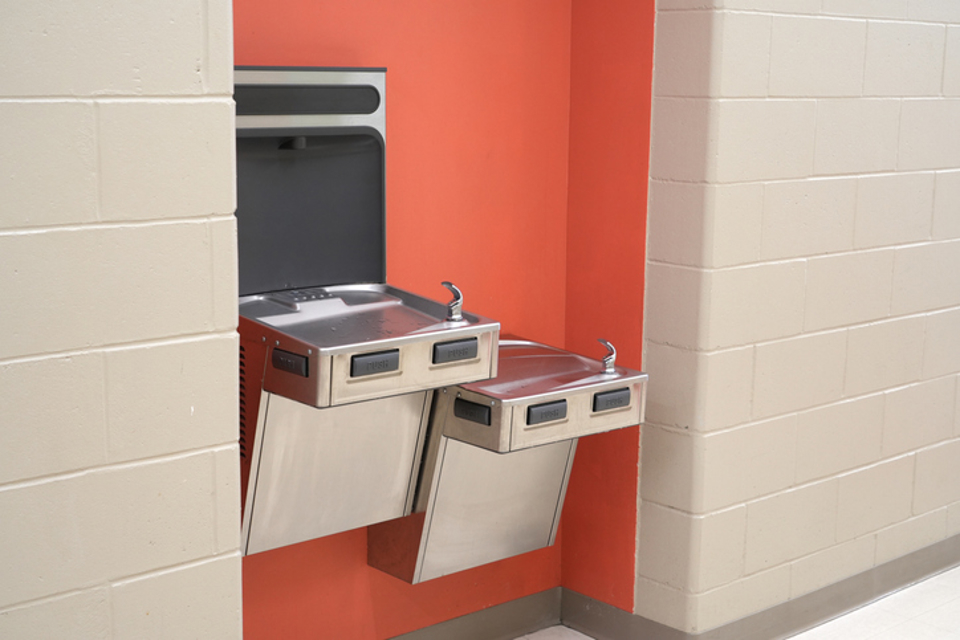
- Elkay Manufacturing — The sink and plumbing fixture manufacturer charged tariff surcharges of 5–10% on certain product lines and 15–35% on others, explicitly tied to IEEPA tariffs. Refund status under investigation.
- LittleMachineShop — The specialty machining tools retailer listed tariff surcharges as separate line items on affected imported products. Refund status under investigation.
- Wal-Rich, Matco-Norca, Jones Stephens, and Bemis — Several plumbing fixture and hardware manufacturers implemented explicit tariff surcharges ranging from 5% to 60% depending on product category. We are evaluating each company's refund status and whether downstream customers are owed a credit.
- Dame — The sexual wellness brand added a flat tariff surcharge at checkout, explicitly tied to Trump administration trade policy. Refund status under investigation.
- Libertyville Coffee Co. — Added country-specific tariff fees to customer purchases during the IEEPA period. Refund status under investigation.
What Can Make These Cases Viable
The legal strength of a pass-through refund retention claim typically depends on several factors:
- Whether the surcharge appeared as a separate, identified line item rather than a general price adjustment
- Whether the seller represented the charge as a direct pass-through of tariff costs
- Whether the seller later received a refund of the same duties from the federal government
- Whether the seller issued any credit, adjustment, or refund to customers after receiving those funds
- Whether invoices, purchase records, or pricing communications document the connection between what the customer paid and what the seller recovered
The distinction between a general price increase and an identified tariff surcharge matters significantly. A named surcharge — one that a company created specifically to charge customers for tariff costs — creates a much stronger basis for arguing that the refunded amounts belong to those customers.
Potential Legal Theories
Depending on the facts and the applicable state and federal laws, claims in this investigation may involve:
- Unjust Enrichment — retaining federal refunds tied to duties that customers, not the company, economically bore
- Unfair or Deceptive Trade Practices — collecting surcharges labeled as tariff pass-throughs while later keeping government-issued refunds of those same amounts
- Misrepresentation — representing a charge as a tariff pass-through when the company did not intend to return any corresponding refund
- Breach of Contract / Course of Dealing — where invoicing structure, pricing representations, or commercial practice creates an obligation to pass refunds back to the paying party
Not all fact patterns support these theories. The strength of any given claim depends on what was charged, what was refunded, and what documentation exists.
Do I Have a Case?
Your business may have a claim worth investigating if one or more of the following applies:
- You paid IEEPA tariff-related surcharges tied to tariffs in invoices, pricing notices, or supplier communications
- The seller has received or is eligible to receive federal refunds of IEEPA tariffs through the CAPE portal or related procedures
- You received no credit, refund, or adjustment after the tariffs were ruled unlawful
- You made multiple purchases during 2025 or 2026 and paid tariff surcharges across those transactions
- You have invoices, order confirmations, or receipts reflecting the surcharge
Even partial records may be sufficient to evaluate whether a claim exists.
Potential Compensation
If a claim is viable, potential recovery may include:
- Refunds or credits corresponding to tariff pass-through overcharges
- Statutory interest on withheld amounts where applicable
- Statutory damages under unfair practices statutes where available
- Attorneys' fees and costs where authorized by statute or contract
The right measure of damages depends on the total surcharges paid, the refund amounts received by the seller, and the applicable legal framework.
Timing & Documentation
The CAPE refund portal opened in April 2026, and importers are actively filing. As companies receive federal refunds, the window to pursue claims against those that refuse to credit customers may narrow.
Documenting your surcharge payments now and pulling invoices and purchase records from 2025 and 2026 creates a stronger foundation for evaluating your options.
How Kershaw Talley Barlow Can Help
When you contact Kershaw Talley Barlow, our team can:
- Analyze your pricing records (invoices, surcharge line items, historical price comparisons)
- Review contracts and communications to evaluate what was represented and what obligations may exist
- Identify the strongest legal path (individual claim, coordinated litigation, or other appropriate approach depending on scope)
- Evaluate damages using transaction-level evidence and business documentation
- Handle the heavy lift against well-funded corporate defendants in high-stakes disputes
We offer free consultations, and we handle appropriate matters on a contingency basis where available, meaning no fees unless we recover compensation.
Call For a FREE Consultation: (916) 520-6639
Kershaw Talley Barlow is actively monitoring tariff refund litigation and reviewing potential claims nationwide.
If your company paid tariff-related increases and believes refunds were later retained without credit, call (916) 520-6639 or contact us online for a free, confidential evaluation.

Real Clients Real Experiences
-
“I really want to thank you and all the staff that has been involved in this case and keeping the camp fire victims informed when possible. Everyone that I have spoken to has been kind and understanding about our loss. Again thank you for all everyone has done.”- Steven C.
-
“The research they did, the time spent finding experts and all their work in preparing made the difference in my case.”- Patricia T
-
“Today we learned that Ian is now a partner at Kershaw Talley Barlow. We could not be more grateful to him.”- Joseph M
-
“I would highly recommend them to my friends and family.”- Valerie R
-
“I feel that they actually cared about me.”- Minnette S
-
“I am glad I signed on with them to represent me and if ever I need this kind of help again, I will be calling them only.”- Ronald S
-
“I’ve been very pleased with Stuart Talley's service with an ongoing lawsuit against a major corporation and recommend him and his firm highly.”- Sandra W
-
“Anyone that is looking for a lawyer in Sacramento for Personal Injury should reach out to them!”- Zach T
-
“The entire process was seamless and stress-free for us.”- Dave R


Stay In The Know
Featured Posts
-

- Defective Products
- Class Actions
-

- Class Actions
-
- Class Actions
- Consumer Protection
-

- Class Actions
- Lead Contamination
-
.2508121217005.png)
- Personal Injury
- Class Actions
-

- Class Actions
- Mass Torts
-
[1].2502241213161.jpg)
- Class Actions
- Science
-
- Class Actions
- Lead Contamination
-
- Class Actions
- Firm News
-
.2004201111550.jpg)
- Dangerous Drugs
- Class Actions
-
- Class Actions
-
-copy-7[1].2401091257550.jpg)
- Class Actions
- Environmental Contamination
-
-copy[2].2401091118550.jpg)
- Class Actions
- Wildfires
-
-copy-5.2311150030550.jpg)
- Class Actions
- Mass Torts
-
-copy-3.2311150017550.jpg)
- Class Actions
- Mass Torts
-
.2211111542550.jpg)
- Class Actions
- Lead Contamination
-
.2111111637550.jpg)
- Class Actions
- Mass Torts
-
.2008121042550.jpg)
- Class Actions
-
.2107201100550.jpg)
- Class Actions
-

- Class Actions
-

- Class Actions
-
- Personal Injury
- Class Actions
-
- Defective Products
- Class Actions
-

- Personal Injury
- Class Actions
-
- Personal Injury
- Class Actions
-
- Personal Injury
- Class Actions
-
- Class Actions
-
- Personal Injury
- Class Actions
-

- Class Actions
-

- Class Actions
-

- Class Actions
-
- Personal Injury
- Class Actions
-
- Class Actions



.2508121217005.png)

[1].2502241213161.jpg)
.2004201111550.jpg)

-copy-7[1].2401091257550.jpg)
-copy[2].2401091118550.jpg)
-copy-5.2311150030550.jpg)
-copy-3.2311150017550.jpg)
.2211111542550.jpg)
.2111111637550.jpg)
.2008121042550.jpg)
.2107201100550.jpg)