
A federal class action lawsuit over allegedly defective headrests in Dodge and Jeep vehicles has been working its way through the courts since 2018. After years of delays, the plaintiffs are formally accusing automaker FCA US LLC, the corporate parent behind Dodge and Jeep, of deliberately working to prevent the case from ever reaching trial.
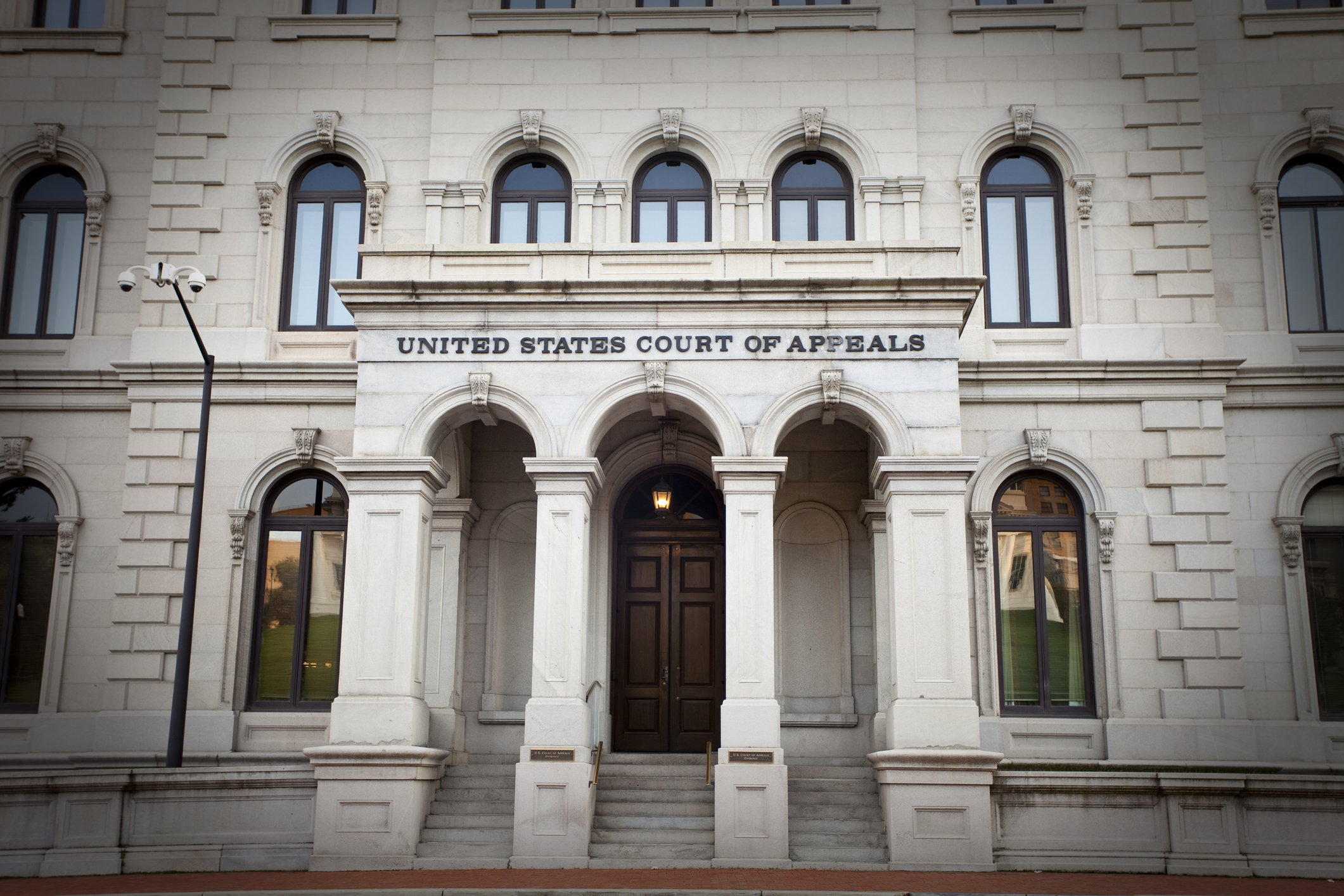
Class representative Jeffrey Olson recently filed a brief in the U.S. Court of Appeals for the Ninth Circuit opposing FCA's latest legal maneuver: a motion to pause the court's mandate while the company prepares a petition to the U.S. Supreme Court, which would once again bring proceedings to a halt. FCA is still clinging to the hope that it can force arbitration based on a contract that it didn’t even sign, and it wants the Supreme Court to weigh in on it. In the brief, Olson is direct about what the plaintiffs believe is happening: "The instant motion to stay the mandate brought by FCA US LLC is a clear example of a stay sought for the purpose of delay."
Years of Delays
The plaintiffs' brief paints a picture of a case that has been systematically obstructed by the defendant.
According to court documents, the timeline of delays includes:
- The lawsuit was originally filed in 2018 and incurred early delays due to the COVID-19 pandemic.
- The first trial date was set for January 2023 but was not held.
- That date was then pushed to May 2025, attributed in part to the unavailability of FCA's own counsel.
- The trial was then delayed yet again as FCA tried to move the forced arbitration argument in front of the U.S. Supreme Court.
The delays proved significant enough that the original class representative, Shawn Alger, was no longer willing to continue serving in that role. Jeffrey Olson stepped into the position in May 2024 to keep the plaintiff class afloat.
A Pattern of Obstruction
According to the brief, FCA's delay tactics did not end with missed trial dates. Almost immediately after Olson became class representative, FCA moved to compel arbitration of his claim by citing an arbitration clause in a lease agreement between Olson and the dealership from which he leased his vehicle. There was one big problem, though: FCA was not a party to that agreement. FCA effectively tried to defend itself by pointing to a contract that it wasn’t part of and never signed. The motion was denied, and the Ninth Circuit affirmed that decision.
The plaintiffs' brief argues that FCA waited a full six years to attempt to compel arbitration, doing so only after losing a motion for summary judgment and only when trial was already on the horizon. As the brief describes it, this was just one of many tactics deployed over the course of litigation. As explained in the brief, "After several trial settings which were moved, including due to FCA's counsel's unavailability, this case was on the eve of trial when FCA moved to compel arbitration.”
Now, with FCA seeking yet another delay to try to present to the U.S. Supreme Court its unusual argument that it should be allowed to use forced arbitration through a contract that it never even signed, the plaintiffs are urging the court to put a stop to it. The brief argues that FCA has failed to meet either of the two requirements for a stay, including demonstrating cause and showing that its potential Supreme Court petition would present a substantial legal question.
About the Defective Headrest Lawsuit
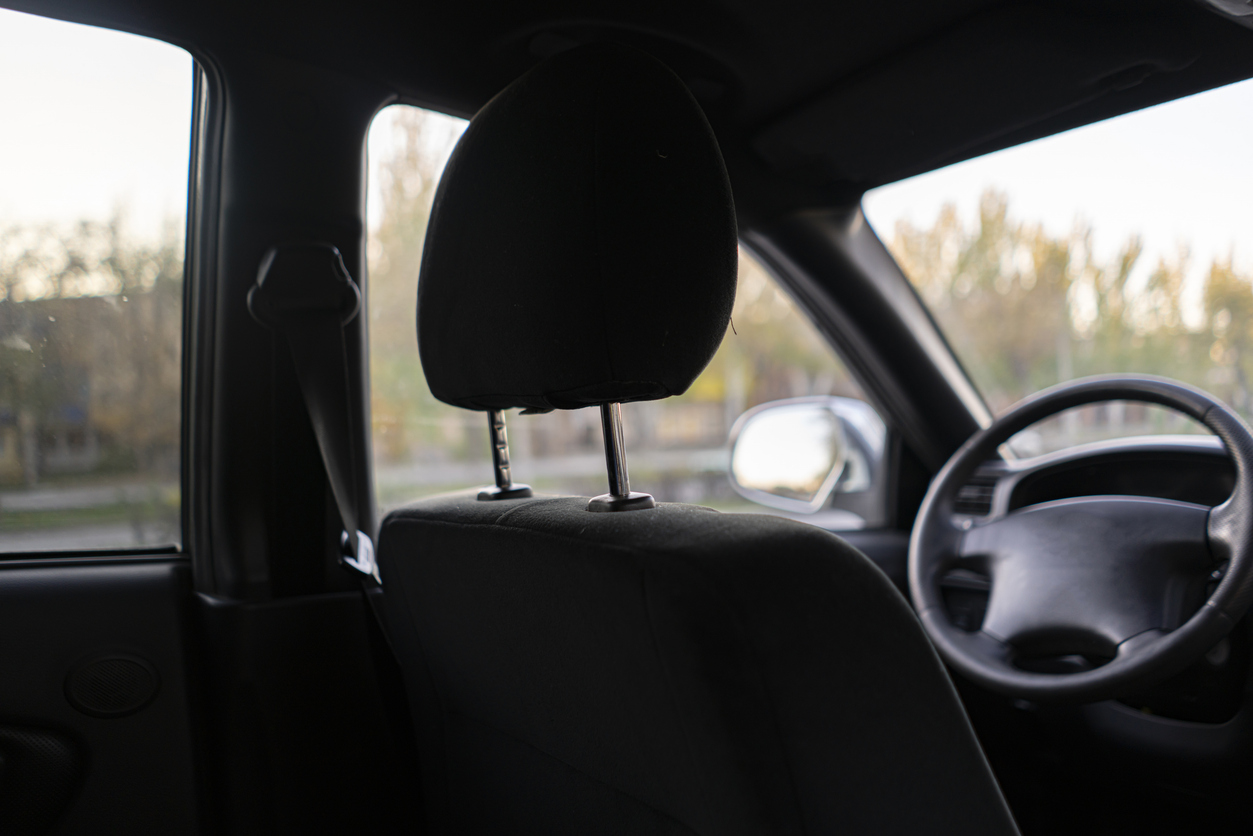
The case centers on the Active Head Restraint (AHR) system found in certain Chrysler, Dodge, and Jeep vehicles. These spring-loaded headrests are designed to deploy forward during a rear-end collision to protect occupants from whiplash. According to the complaint, however, defective plastic components within the system can cause the headrests to deploy without warning, even when no collision has occurred. The plaintiffs allege that this unexpected deployment poses a risk of serious head and neck injury and can create dangerous driver distraction.
We Are Standing Up for You
Attorneys Stuart C. Talley, Ian J. Barlow, and Jack R. Davis of Kershaw Talley Barlow are among the lead counsel representing the plaintiffs in this case, alongside attorneys from Lieff Cabraser Heimann & Bernstein LLP. We have been fighting for the rights of Dodge and Jeep owners affected by this defect since the case was first filed years ago, and we remain committed to seeing it through to trial. FCA might be attempting to wait the plaintiff class and us out, but it will find that we are truly tireless when it comes to pursuing justice and compensation for the thousands of individuals in the class whose vehicles have been markedly reduced in value and who are daily exposed to potential head injury and or a catastrophic accident should their headrest explode when they are driving without warning. .
If you own a Dodge or Jeep vehicle with an Active Head Restraint system and have experienced an unexpected headrest deployment, we want to hear from you. It might be possible that you can still join the plaintiff class or seek compensation through a separate civil claim. Call us at (916) 520-6639 for a free consultation about your options.