

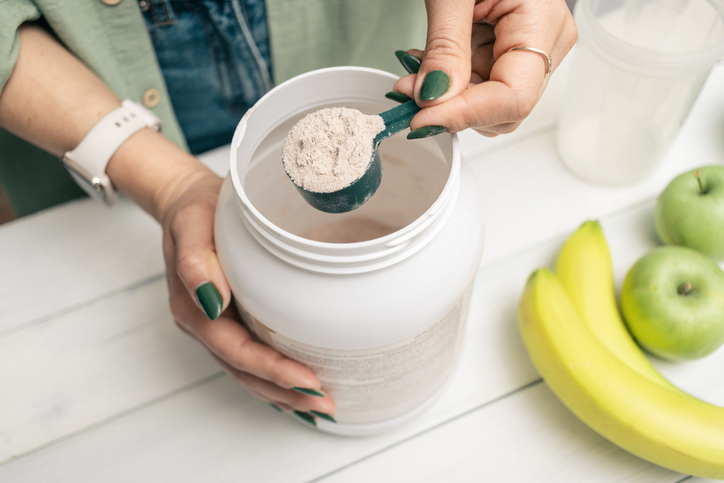
Consumer Reports’ new investigation into protein powders and shakes has reignited concern over heavy metal contamination in popular nutrition supplements and is also raising questions about whether legal action could follow.
According to the report, more than two-thirds of 23 tested products contained more lead per serving than Consumer Reports’ experts consider safe to consume in a day, with some exceeding that level by more than 1,000 percent. The findings suggest that contamination in the supplement industry may be widespread, particularly among plant-based protein products.
What the Consumer Reports Investigation Found
Consumer Reports tested a range of plant-, dairy-, and meat-based protein powders and ready-to-drink shakes from leading brands sold in grocery stores and online. The findings revealed widespread lead content, particularly among plant-based products:
- More than two-thirds of the 23 products tested contained more lead per serving than Consumer Reports’ experts consider safe for daily consumption.
- Some products exceeded that threshold by more than 1,000 percent, including Naked Nutrition’s Vegan Mass Gainer and Huel’s Black Edition, which contained the highest lead levels among all powders tested.
- Several others, such as Garden of Life Sport Organic Plant-Based Protein and Momentous 100% Plant Protein, contained 400–600% of the lead limit and were recommended for no more than occasional use.
- Cadmium and inorganic arsenic were also detected in multiple products, adding further concern about chronic exposure and potential toxicity.
While occasional use may not result in immediate harm, the report emphasized that many people consume protein powders daily, sometimes multiple times a day, as part of their diet or fitness routine. Over time, this can lead to cumulative exposure to heavy metals, which has been linked to neurological, renal, and cardiovascular issues.
Compounding these risks is a lack of federal regulation and oversight. The FDA does not pre-approve dietary supplements before they reach the market and has not established enforceable limits for lead or other heavy metals in protein powders. As a result, manufacturers largely rely on self-testing and voluntary standards, leaving consumers with little assurance of product safety.
What This Means for Consumers
The study underscores a critical point: “natural” or “nutritional” supplements are not always risk-free. Lead and other heavy metals can enter protein powders during manufacturing or through contaminated ingredients, especially plant-based proteins derived from crops grown in polluted soil. Over time, small but repeated exposure can cause cumulative harm.
The Consumer Reports team cautions against daily use of many protein powders and advises consumers to limit or rotate products, particularly those that rely on pea protein. However, for some users — especially those who are pregnant, children, and those with pre-existing conditions — even occasional exposure could pose health risks.
Legal and Regulatory Implications
The findings have prompted growing interest in potential product liability investigations. Under state and federal law, manufacturers have a duty to ensure their products are safe for intended use and to warn consumers of known risks. If companies failed to test adequately, misrepresented product safety, or sold contaminated supplements, they could face liability for resulting injuries or economic losses.
Past litigation involving protein powders and supplements has focused on:
- False advertising
- Misleading “all-natural” or “clean label” marketing
- Contamination with heavy metals or unsafe substances
This new report may lead to renewed personal injury, products liability, class action or mass tort investigations, especially if consumers experienced measurable health effects after long-term use.
How Kershaw Talley Barlow Approaches Product Contamination Cases
Kershaw Talley Barlow has a long record of holding corporations accountable in complex product liability and consumer protection cases. Our firm’s trial lawyers and scientific practice group have achieved significant results on behalf of clients nationwide and are frequently appointed to leadership roles in multi-district and class action litigation involving defective pharmaceuticals, medical devices, and consumer goods.
Our multidisciplinary team has the resources to:
- Investigate contamination and manufacturing processes
- Work with toxicologists, epidemiologists, and biostatisticians to assess causation
- Coordinate with regulatory agencies and laboratories
- Pursue compensation for consumers who were misled or harmed
If you have questions about the safety of a product or device or have been harmed by a defective or contaminated product or device, contact our team.
Call (916) 520-6639 or contact us online for a free and confidential consultation.