
Understanding Winter Wildfire Risks and Utility Liability
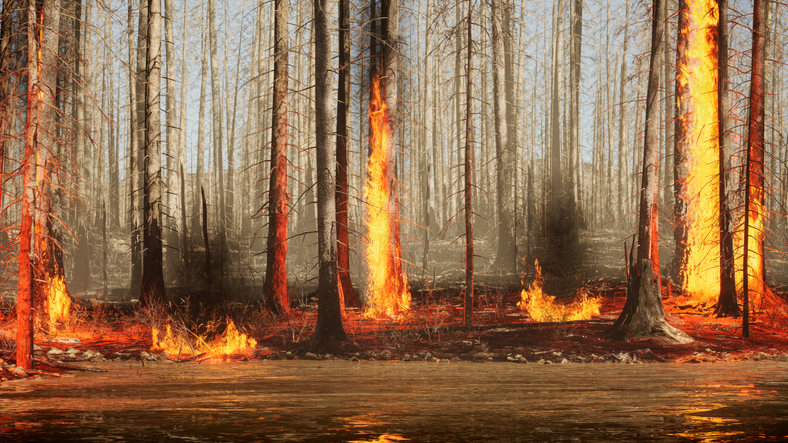
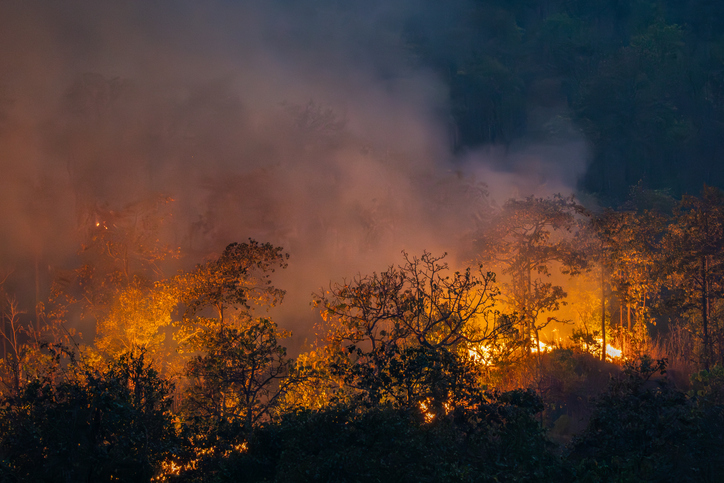
Winter can bring more than cold—it can usher in strong winds and unusually dry conditions in certain regions, creating a lingering wildfire risk. Utility infrastructure—power lines, transformers, and aging equipment—remains susceptible to failure under such circumstances. Even in cooler months, wind-driven dryness can fuel ignition, and utilities may still be subject to strict liability or negligence-based claims depending on jurisdiction. In many states, plaintiffs must demonstrate utility recklessness or negligence; in others, like California, utilities may face “inverse condemnation” liability, meaning they can be held responsible even without proof of fault (Canary Media, Kleinman Center for Energy Policy).
Class Actions and Mass Torts: Collective Response to Recurring Winter Hazards
When winter-related utility failures spark wildfires that affect multiple individuals—families, property owners, or entire communities—legal recourse may take the form of class actions or mass torts:
- Class action litigation allows similarly situated claimants to join together, streamlining legal proceedings and reducing duplication of effort.
- Mass tort litigation, often managed through multidistrict dockets, accommodates related but individualized claims, offering coordinated yet tailored case management.
These collective frameworks foster efficient handling of complex utility liability claims across jurisdictional lines and seasons. Past utility-ignited wildfires—including those triggered by downed power lines during dry high-wind conditions—have resulted in significant settlements and verdicts that reflect the weight of mass litigation (Reuters, Verus LLC, Wikipedia).
Documenting Risk and Preserving Legal Rights
Proactive awareness is key—utility causes don’t pause when the calendar turns. Communities, property owners, and stakeholders should:
- Remain vigilant, especially during wind-prone winter periods when dryness may persist.
- Document conditions and incidents, including weather data, utility communications, and damage timelines.
- Coordinate with affected neighbors, schools, or local groups to explore potential eligibility for class action or mass tort mechanisms.
These steps help ensure readiness if seasonal risks materialize into claims—maximizing accountability and streamlining access to justice.
Conclusion: Wildfire Liability Is Not Limited to Warm Seasons
Though the calendar may suggest otherwise, the risk of utility-caused wildfires can extend through winter—driven by the same winds and dryness that define fire seasons. Such incidents may give rise to class action or mass tort litigation, which serve as essential tools to hold utilities accountable and support impacted communities. Staying informed, prepared, and legally aware can make all the difference.
California Wildfire Attorneys
If you suspect utility infrastructure may have contributed to wildfire ignition—regardless of the season—contact Kershaw Talley Barlow to explore your options. Our experienced team understands the legal mechanisms of collective litigation and is ready to guide you toward a fair resolution. Contact us today at (916) 520-6639 to get started.